





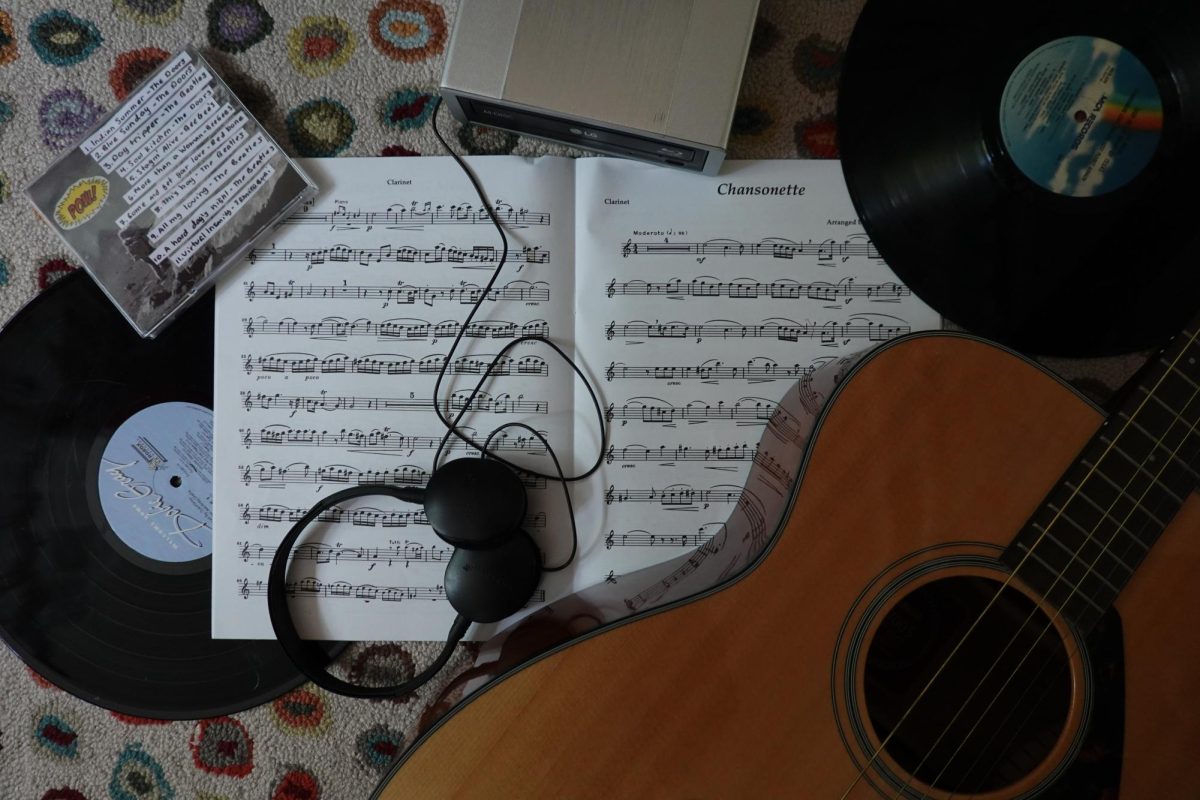


















High school and the social media culture revolving around it, has turned every hallway, classroom, and lunch spot into a stage we perform on without even realizing it. Something different is occurring now, something more curated, visible, and pressured than ever before. Today, modern teens being performative isn’t about acting fake to impress others or fit in. It’s about performing a specific aesthetic seen online. Social media platforms, like TikTok and Instagram, push identities in neatly organized forms: cottagecore, clean girl, Y2K, grunge. Teens once curated their identities through music, movies, and magazines, but now that curation has turned into an expectation rather than a choice.
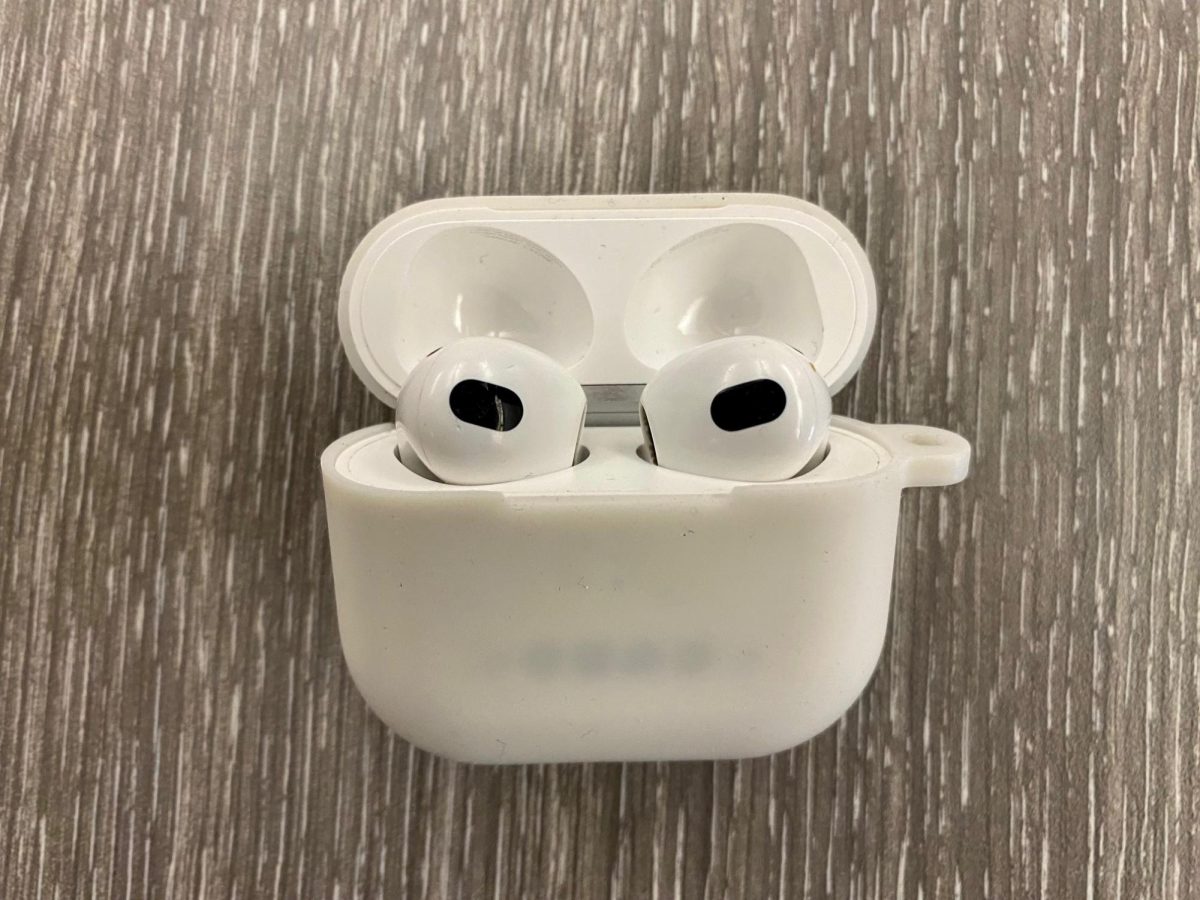
This change is fueled by visuals rapidly occurring: matcha lattes in hand, wired headphones to achieve a “cool” aesthetic, Stanley cups carried everywhere, and wearing quarter zip-ups designed to look effortless. But unlike the days of copying a look from a magazine, today’s trends don’t just influence us, they follow us, and pressure us to quietly dictate who we should be.
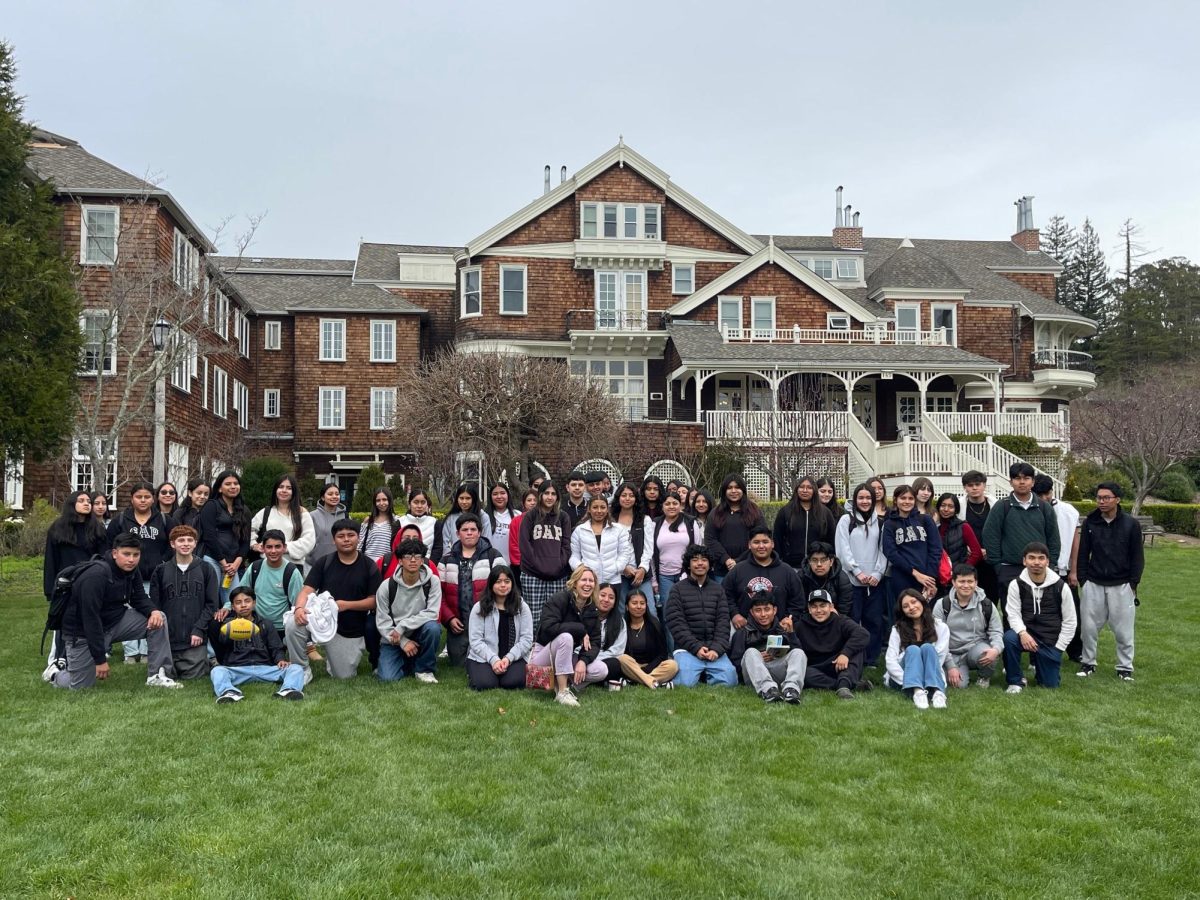
Students are also aware of this change. When I asked SRHS senior, Jennifer Lopez, if she acts differently around certain groups of people, she said, “Personally, I try not to, but sometimes others influence me a lot, and that makes me change the way I want to be perceived.” Her honesty reflects a growing truth that performativity is not just happening socially but also academically, emotionally, and aesthetically. Even when no one may be watching, many students remain aware that any moment could be captured and used to define them.
Another student I interviewed, SRHS senior Emily Duarte Borges, said she didn’t change herself at school. “I only act differently around teachers because I have to respect them,” she said. But she immediately had a stronger reaction when I asked about social media trends. “Does TikTok make people more performative at school?” I asked. She answered without hesitation, “Yes, yes, yes.”
She explained, “People completely change their styles. They start buying stuff just because it’s trendy, drinks, foods, whatever’s viral. You see the TikTok foods here. I’m one of those people. If we have it, I will buy it.” Even something as small as what students drink becomes a performance.
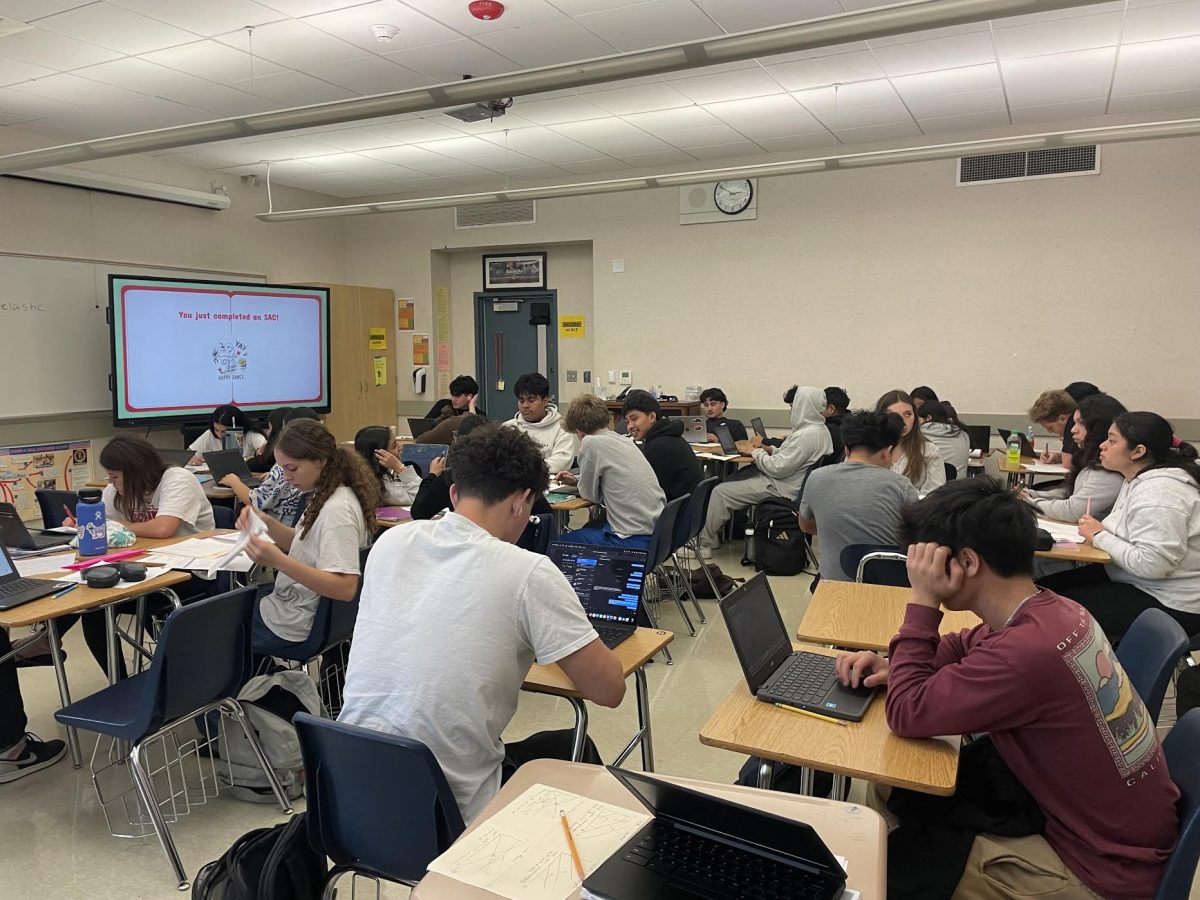
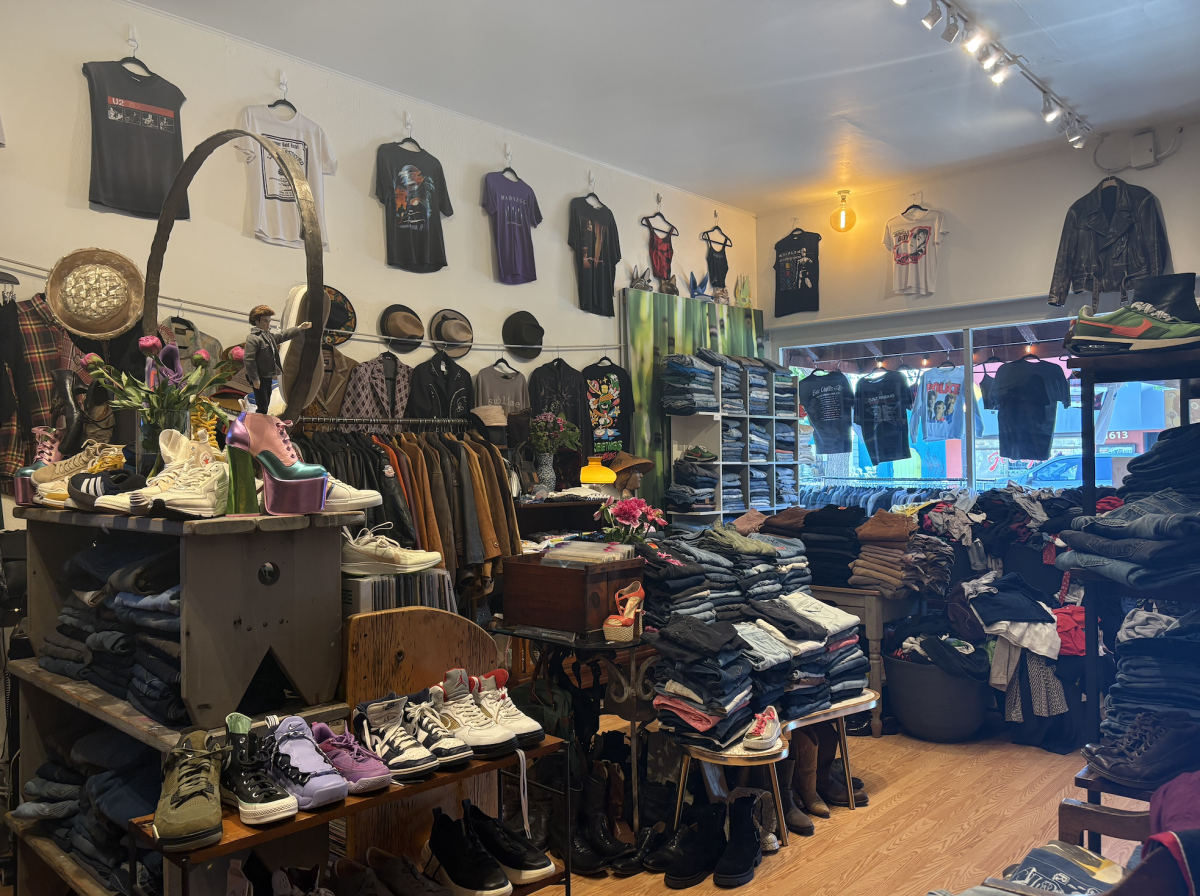
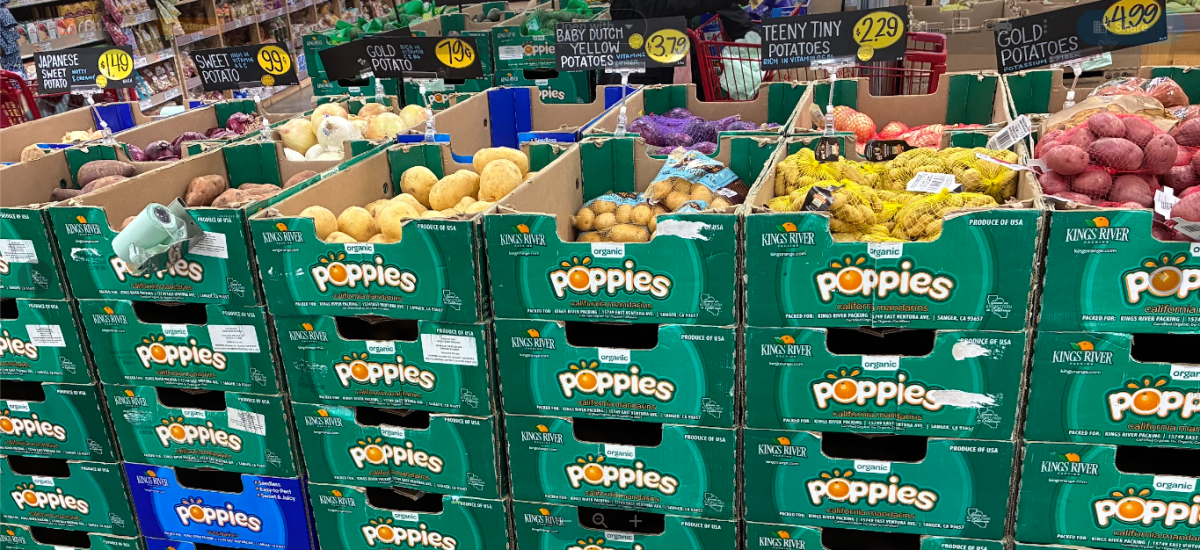
Our school hallways already show the evidence. The same drinks. The same wired headphones. The same UGG minis. The same essential hoodies. The same Trader Joes tote bags. It isn’t the trends themselves that matter, but the pressure to match the aesthetic.
Lopez describes it perfectly: “Everyone just looks the same. Everyone wants to do the same things. Everyone drinks a white Monster. Everyone is unique, and I think we should be ourselves for our uniqueness.” Her frustration highlights the paradox that teens know they’re conforming, even while performing uniqueness.
Part of this new performance also involves irony. Modern teens today use humor as a shield of protection in order to avoid being seen as vulnerable by others. Instead of openly liking something, we say we like it “ironically.” Sincerity feels risky when anything can be mocked, screenshotted, or turned into a meme. Irony is a protection from potential embarrassment, as a way to participate in trends without revealing true feelings.This irony creates a culture where enthusiasm is considered cringeworthy.
Of course, critics might argue that every generation has had its trends: emo, scene, bohemian, skaters, Y2K. Isn’t TikTok just a new version of old group identities? This is true to an extent, but today’s performance differs in three crucial ways.
First, the algorithm accelerates everything. Trends now shift to a much more dramatic extent. They can change weekly, sometimes even daily. This leaves students to constantly adjusting their appearance to avoid appearing outdated. Identity then becomes unstable, not shaped by personal interests but by the For You Page.
Second, the audience is larger and everywhere. In the past, trends were confined to school hallways, but now they live online in the digital world through videos, photos, and digital footprints. Students don’t perform for classmates; they perform for anyone who might scroll across their social media profile.
Third, sincerity has become risky. Teens fear being labeled as cringe more than being labeled as dishonest. It has become safer to perform a trend than to openly express individuality.
These aspects create a cultural pressure that is less about fashion and accessories but more about identity. Students shape their personalities, not just their outfits, around what will appear acceptable online. The result is a generation of teens who know how to perform but are less skilled at showing how to simply be as they are.
And yet, the desire for being authentic hasn’t disappeared. The students I interviewed, even while admitting their participation in trends, all expressed frustration with the pressure. They crave uniqueness. They recognized the copy and paste. They noticed the performance. Beneath all the acts, is a longing to be known for something deeper than a fleeting trend.
High school should be a place where the identities of teens are allowed to develop naturally, not where they must look like influencer feeds. Students deserve a place where they can make mistakes, find their interests, grow out of things, try new styles, and explore who they are without worrying about breaking constructed rules.
Performativity will always exist, the solution isn’t to eliminate it, but to become more aware of it. When students are able to recognize the difference between exploring different trends and performing for the approval of others, they gain the power to choose authenticity over algorithms.
Yes, performing is part of being human. Everyone performs a little whether it’s choosing outfits, curating looks, deciding how to appear. But today’s teens face a level of constant, algorithmic-driven performance that goes far beyond picking a jacket. In the end, trends fade, aesthetic brands fade, and TikTok cycles fade. Authenticity may not go viral, but it lasts longer than any trend ever will.
