





When I was little, the first thing my cousins and I did at the airport was hunt for abandoned luggage carts.
While the adults stressfully unloaded suitcases at the curbside and argued over checked bags, we sprinted through the revolving doors searching for carts people had left behind. My family refused to pay eight dollars for one. Every time we spotted an abandoned cart near a bench or outside the restroom, it felt like we had discovered treasure.
I think that was the first time I realized airports operate like their own miniature world. Everyone there follows different but the same rules. People spend seven dollars on water bottles without complaining. Families sleeping on the floor near the charging station due to their long layover. There are people who enjoy the business lounge meals while others brush their teeth in the public bathrooms. Everyone judges everyone but nobody plans on staying long enough to care.
Airports are my favorite place because they feel magical and temporary at the same time. It’s a place that is always in motion yet nothing there is meant to last. Everyone is either leaving something behind or heading toward something new.
I was seven when I first stepped into one. My first flight was from Vietnam to the United States with my parents. I remember feeling excited seeing the airplane cabin and flight attendants, knowing I was about to fly across the world. At the same time, I was devastated. I had to say goodbye to my grandparents, relatives, and friends from school. I remember crying to my mom.
Back then, I hated flying. I hated the cramped seats, the turbulence, and the pressure in my ears during takeoff and landing. I hated how close the seats in front were to me. The plane felt suffocating. I just wanted the flight to end. But after living in the United States for a few years, airports slowly transformed into something exciting.
Before every trip back to Vietnam during the Lunar New Year or summer, my family treated the airport almost like part of the vacation itself. Days before departure, our house became chaotic. There were open suitcases everywhere, gifts stacked in the living room corners, and giant bags of M&M and other varieties of chocolate. Beside that, my grandma packed a giant Ziploc bag with fruits and stemmed pork buns because my family believed airport food “cost an arm and a leg.”
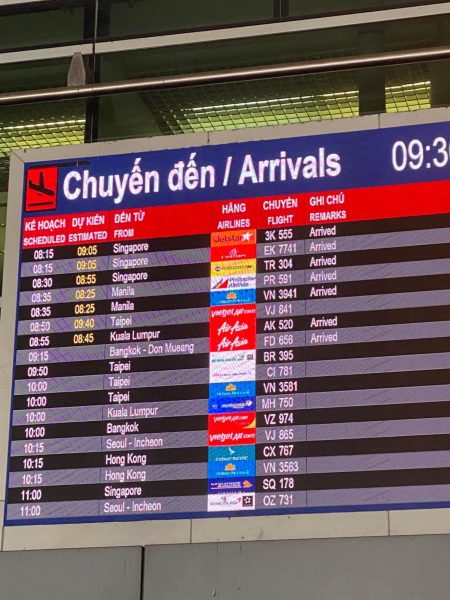 Even the outfits mattered. While most travelers wore sweatpants and hoodies, my mom dressed me in my nicest outfit because she wanted me to look “put together” when relatives picked us up at the airport in Vietnam. Looking back, I realize at the airport, some people show up in comfortable clothes almost like pajamas while others (my family) treat the jetway like a runway. After TSA, I would rush to the giant windows overlooking the park planes. I would pull out my iPad and film airplanes taking off, pretending I was a YouTube travel vlogger. I loved hearing the boarding announcements echo through the terminal and watching the departure board constantly flip between cities: Taipei, Seoul, Tokyo, Paris, etc. The airport made the world feel huge but reachable.
My favorite part of traveling was always the layovers. Because Vietnam is halfway around the world, we usually stopped in Taipei or Hong Kong before our connecting flight to Ho Chi Minh City. Layovers felt strangely unreal to me. I’m technically in another country but not fully in it. Time zones become confusing. Day and night blur together. I would leave California on Thursday night and somehow land in Vietnam Saturday morning, as if Friday had disappeared somewhere above the Pacific Ocean. Airports exist outside of normal life.
Homework disappears there. Daily responsibilities disappear there. Even money feels less real there. I would hesitate to spend ten dollars on a drink or twenty dollars on a sandwich at home, but at the airport it somehow feels acceptable because everything already feels temporary.
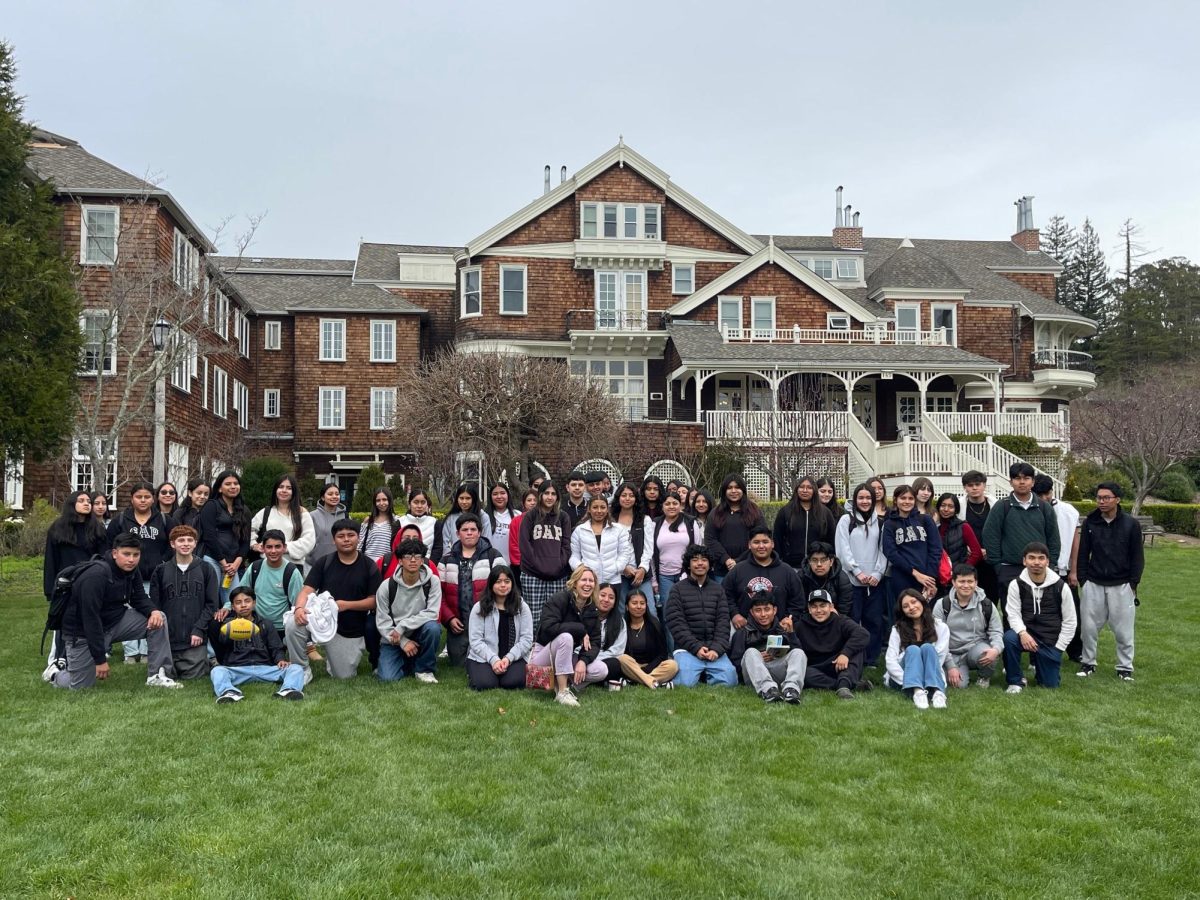
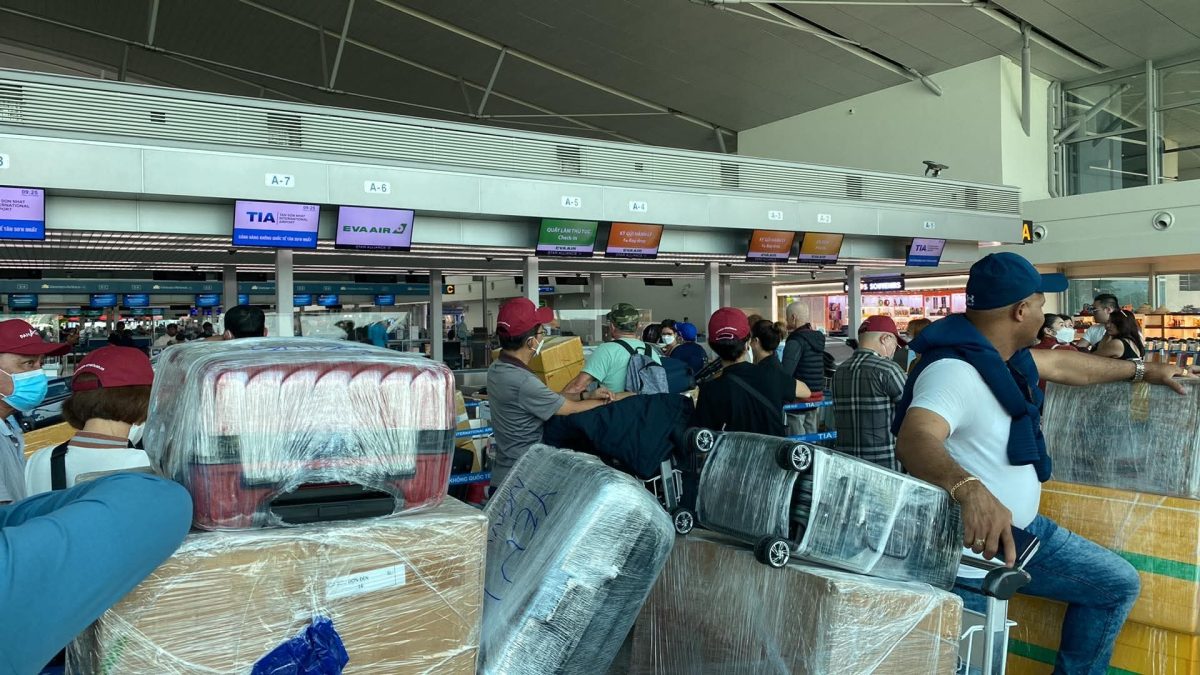
The first time I flew without my family was during the EF Vietnam Trip with Madame Truett. Walking into the airport felt different this time. I still had the same excitement, but now I also carried responsibility. Because of my dual citizenship, I didn’t need a Vietnam visa. However I did have to separate from my group at check in using my Vietnamese passport. For the first time, I worried about whether my suitcase was overweight, whether I forgot important documents, or whether the TSA would confiscate my skincare bag. I had to keep track of my own bags, money, passport, and boarding pass instead of relying on my parents.
At the check in counter, one of the airport staff at SFO immediately switched to Vietnamese after seeing my passport. She asked me about my trip while typing on her computer, and I asked her what it was like working at the airport. Even after she handed back my boarding pass, I lingered at the counter just to continue the conversation. That interaction stayed with me because airports are full of tiny temporary relationships like that. You talk to strangers more easily there because everyone understands they are only passing through.
Without my parents around, airport food was no longer forbidden. During our Hong Kong layover, my friends and I immediately ran to the food court. Even though everything was overpriced, I love the freedom of buying whatever I wanted. I ordered a red bean milk tea from Starbucks because it was something unavailable in the United States. It ended up being too sweet, but I didn’t feel guilty for not finishing it. The point was never the drink itself. It was the experience of trying something new while existing in this strange in-between world for only a bufew hours.
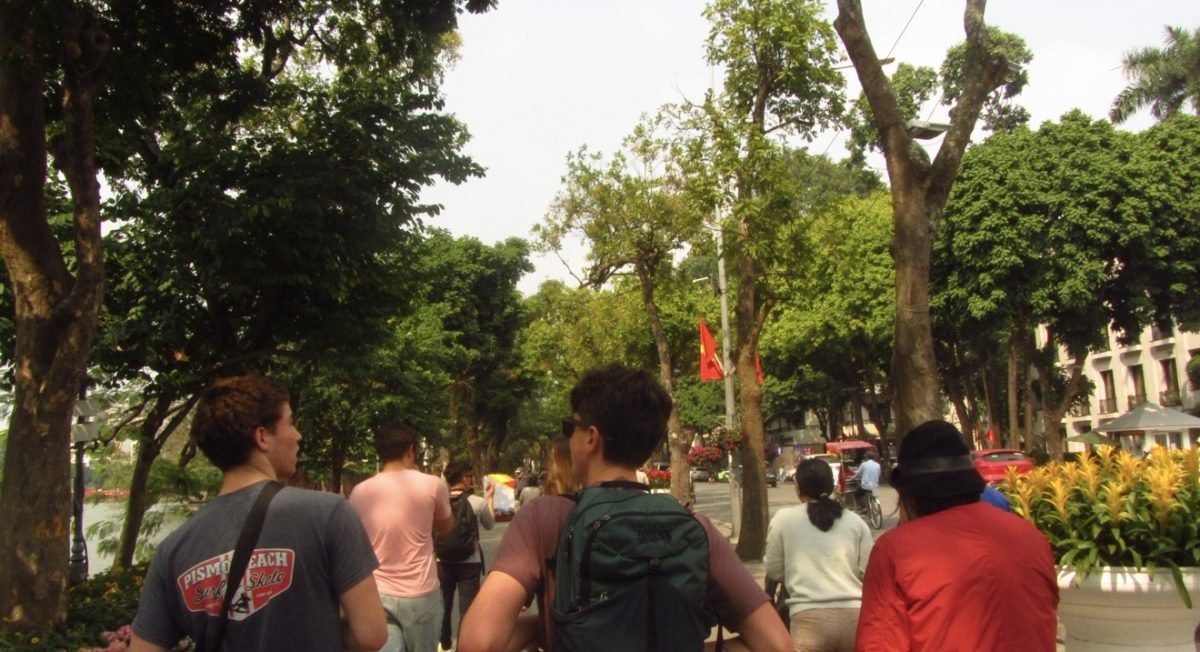
When we landed in Hanoi, I immediately felt that familiar humidity in the air before even leaving the airport. Vietnamese surrounded me again, the language, the signs, the conversations around me. One immigration officer asked me in Vietnamese whether my classmates thought he looked intimidating because they kept laughing nervously nearby. I remember being shocked by how soft spoken he was despite how serious he looks.
Vietnam is still the only country besides the United States that I have flown into, which may be why the airports feel like a step closer to home to me. For me, airports represent transition. They are the space between different versions of myself, somewhere I learned how to navigate the world independently. Somewhere between delayed flights, crowded terminals, overpriced drinks, and overnight layovers, airports stopped feeling stressful and started feeling comfortable.
Nobody stays in an airport forever. Everyone there is in transit. Maybe that is why I love them so much. For a few hours, nothing feels permanent. You are simply on your way to somewhere else.