














Technology is clearly becoming a prominent part of society, and it is slowly creeping into the arts. What once was heard as a unique, imperfect voice is now transforming into a robotic, predictable tune. Music is an ever-expanding art, taking many shapes and forms, but it is going down a windy path, leaving the culture behind.
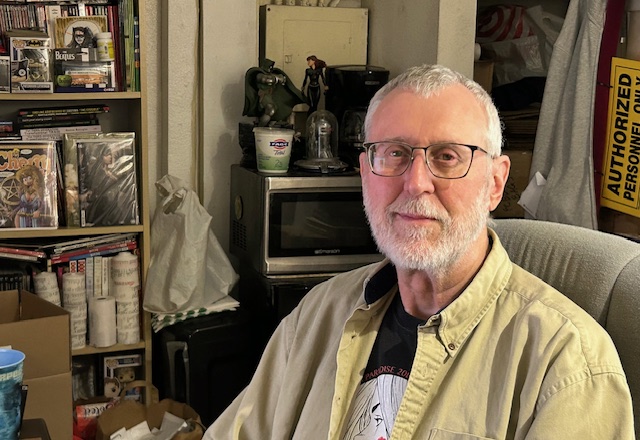
“Older music has a lot more soul, personality, human genuineness, and imperfections,” says Reed Sadownick, a member of the SRHS Jazz Band and Jazz Combo.
The transformation from hitting a piano key to a computer key happened in 1997 with the invention of Auto-Tune. Auto-Tune is a music platform that can adjust musicians’ voices and chords to be perfectly tuned using technology. This program was developed by Antares Audio Technologies in 1997 and used by most modern artists. In the studio, this tech is integrated by auto-correcting pitch and adding artificial vocals.
Popular artists like Travis Scott and Daft Punk use Auto-Tune software to add robotic sounds to their songs. This technology may seem revolutionary, and yes, it can be; it has transformed the industry, mixing technology and music creativity. But without a clear limit, artists become a homologous bunch with wavering authenticity.
In addition to how music is created, it is also spreading like wildfire. Just in the 21st century, there have been more song releases than ever before. The peak being 2020, when digital music became the only option. Since then, music has plummeted into a wide abyss.
Over the last couple of years, popular music has seemed to bleed together. In a Harris Survey, it was found that 52% of Americans believe that music has lost its diversity. Although the lyrics may be different, the rhythms are repeated in differing musical octaves, but with the same backbone. “New Year’s Day” by Taylor Swift and “1 step forward and 3 steps back” by Olivia Rodrigo are examples of repeated rhythm. These similar songs have since been recognized as an interpolation, but they still act as proof that originality is harder to find.
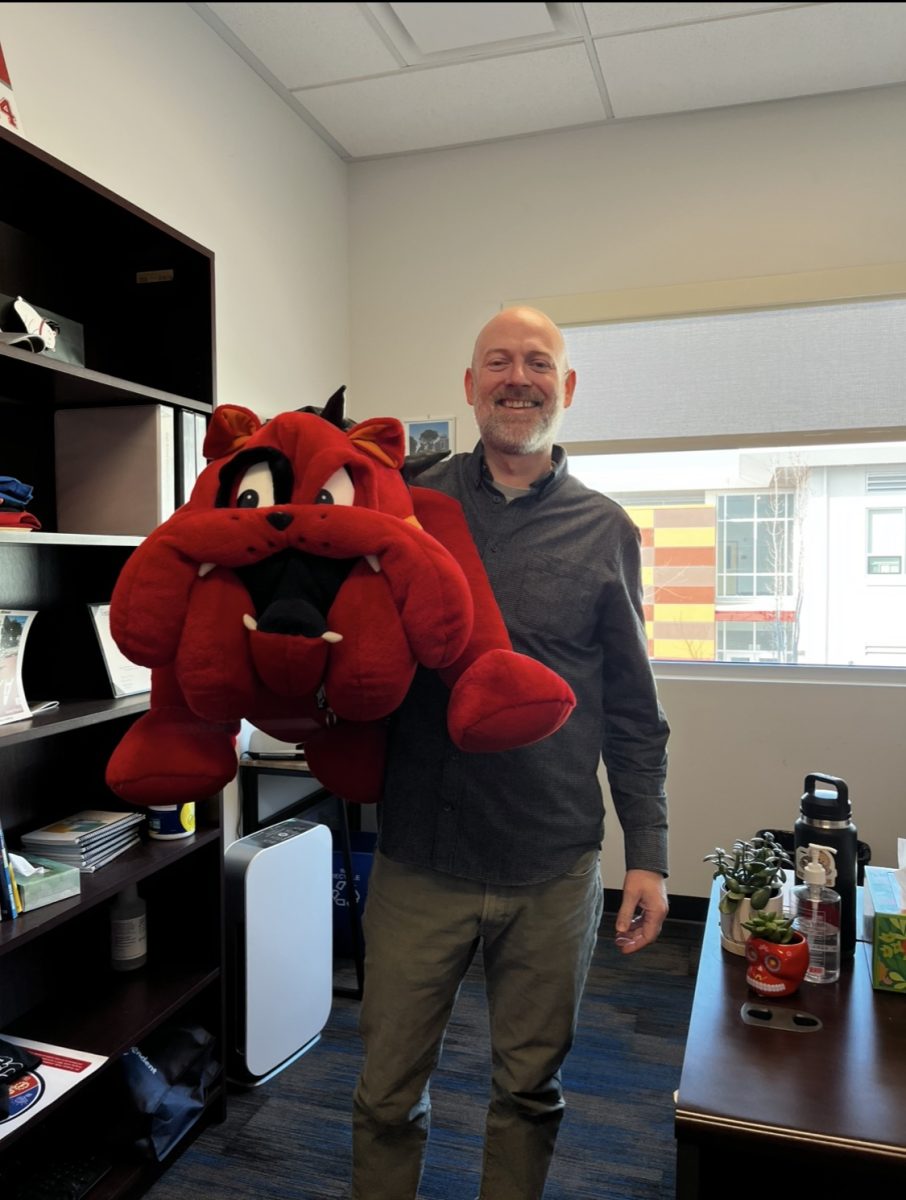
“The overuse of auto-tune is a lot like filters on social media pictures and videos – it gives a false impression,” says Mr. Gordon. Gordon teaches guitar and music production at San Rafael High School.
Music is meant to evoke feelings and connections. Everyone has a favorite song or artist for one reason or another. It could be because the song is tied to a memory or just because the beat is catchy. Whatever it is, music has emotion attached.
The science behind the connection between rhythms and feelings can be explained through dopamine release. Pfizer’s article, Why – and How – Music Moves Us, explains how listening to a song stimulates blood flow and the lymphatic system, which regulates emotions. Once your brain is familiar with a song, “your body releases dopamine upon hearing just the first few notes of the song.”
“Instrument samples and online automations take away from that feeling,” says Reed.
Imagine you are listening to a live concert with discrepancies and a perfectly tuned performance, just like the studio recording. The live concert will give you goosebumps because of the bass and make your heart beat in unison. The natural rasp or voice crack from the artist sends a chill up your spine because it is different and unique. The technology-assisted performance on the other hand is predictable; you’ve heard it before, nothing new.
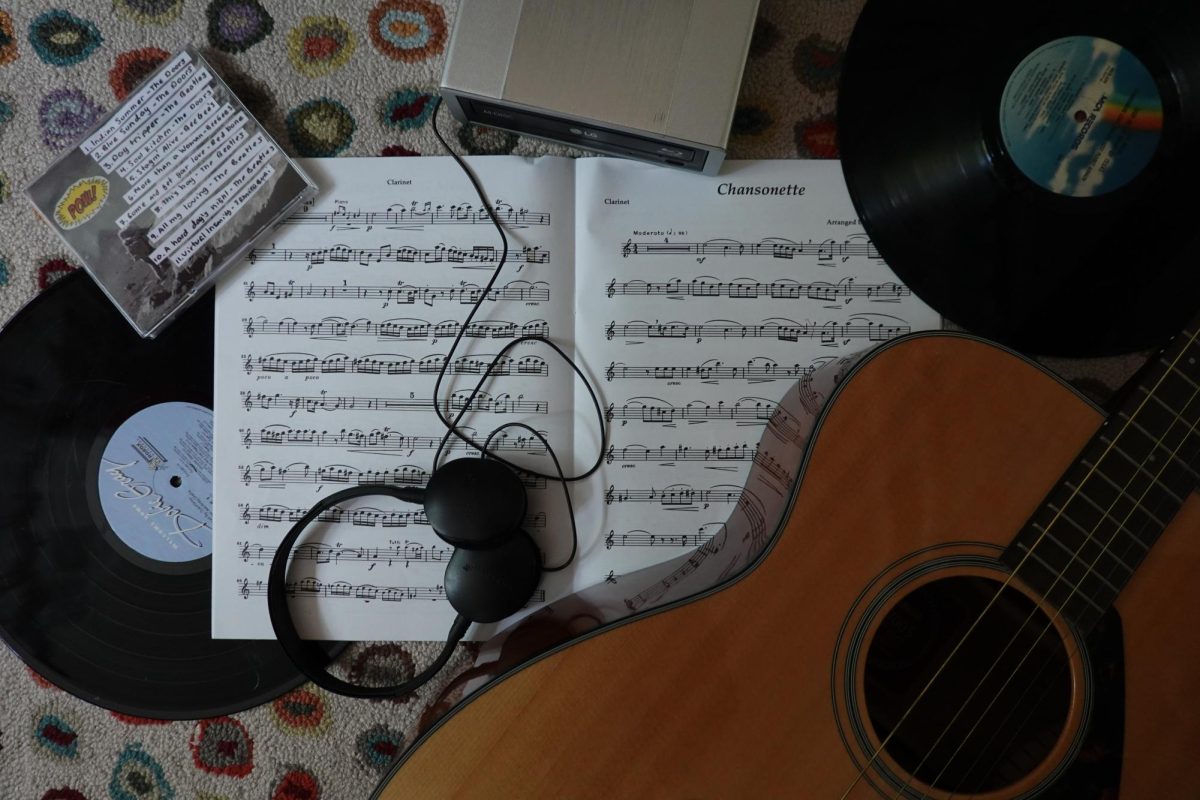
Counterculture artists like The Doors and Bob Dylan only had their creativity to rely on, no technology boost. Combining the harmonica and the guitar was revolutionary for their time, as was the psychedelic electric piano and organ in The Doors. These artists promoted wild change and emotion. Their music came from their passionate soul, not a computer-generated instrument.
The current abundance of new music and the introduction of technology that allows anyone to create, is powerful, but it also disintegrates the culture. Artists who rely on music as a form of self-expression become less unique as everyone mimics musical trends and styles.
The invention of accessible song creating platforms has impacted artists. “It has taken work away from professional musicians,” says Mr. Gordon. For example, movies may now use tech, such as AI, instead of hiring real musicians.
Mass production of songs leads to a lack of diversity. Spotify now has millions of artists, making it hard for musicians to stick out in the sea of songs. It is easier to become a musician than it was before, which is an amazing accomplishment because it allows for individuals to express creativity. On the flip side, when so many individuals dream of becoming professional, the industry gets competitive.
Many streaming platforms also have shuffle play and the ability to create playlists. Although it’s useful to find new music, albums are supposed to tell stories; Pink Floyd and David Bowie intended for their albums to be listened to in order. It tells a story as one song transitions to another. Having shuffle-play derails the story, jumbling up the meaning and emotion the song evokes.
Music is everywhere these days. At our fingertips, ready to play whenever our hearts desire. This is what’s revolutionary. Music should be widespread, and everyone should have access to listening and creating. Songs should have passionate meaning, and albums should be listened to like a book, but tech has robbed us of that feeling. Technology has changed the culture into a future of music, in which we are not yet ready to jump into.

