


























As a senior, I have finally made it to Government and Economics. It only took fourteen years of schooling, but I now know how my government works and how I can get involved with it. And even though I’ve been working since I was a freshman, I now get to learn money management and saving tips.
Both classes are very important, each with the goal to prepare seniors for the real world. Government, to ensure students understand the government and how to get involved, and economics, hoping to prepare students for money management skills and understanding how choices affect the economy and their lives. Despite the valuable lessons they seek to teach, the requirements for such classes vary by state, with only around forty requiring some form.
While I think every state should require students to take them, the timing of the classes is also an issue, as most take them in their senior year. I believe they would provide more value if taken earlier. The subjects focus on real-world topics that would provide a better understanding of our history and economy, and what I’m proposing is to have students take government and economics freshman year.
Learning about our history is important, allowing us to learn from mistakes and notice patterns. Even so, we spend so much time learning about the past and only a semester on how the country actually works. Not only that, but we take government after history classes, which limits how deep we can dive into history, as we are unknowledgeable on the inner workings of the government itself.
Thomas Brodey, a former writer for The Amherst Student paper, comments on the one-sidedness of history textbooks. In his article, “Seeing Double: The Danger of a Single History,” he describes them as narratives: “In the glossy pages of a high school history textbook, the historical narrative is presented with an attitude of incontestable authority.” The biased textbooks set students up with views, likely contributing to the current polarization of our country. He presents a solution of reading multiple textbooks, which sounds great, but is definitely not the only solution available.
In my experience, Government was perceptibly less biased than the history classes I’ve taken. Most history teachers I’ve learned from make their views very clear, albeit they shared similar views to mine, but it’s still biased. I’d like to think my views came up naturally, but it could be in part due to these teachers. Government gave students the options to discover what they value, and where that places them politically. Also, knowing how the government works would allow students to read textbooks as less of a narrative and more of a text that sparks thought, letting thoughts and beliefs occur naturally.
Setting up kids with the knowledge of how our country works would be very valuable, planting the seed of critical thinking, at least when it comes to governmental thinking. This is especially important, as the current state of the government is unpredictable to say the least, and informing students on their rights and how to get involved is crucial for our country to succeed.
As for economics, I’m one of the many examples of students who began working before senior year. Those of us who began working earlier missed out on the chance to manage our money better or begin saving earlier. This could have been valuable information, considering those who work earlier tend to do so out of need.
Economics is especially important now, as many public assistance programs are being cut, alongside the fried job market and high unemployment rates, highlighting the need to understand expenses. For instance, SNAP(Supplemental Nutrition Assistance Program) is receiving one of, if not the, largest cut in US history. Many relied on SNAP benefits to survive, and without as many public programs to fall back on, it’s important that upcoming adults are informed on how to handle money and save.
Unemployment has been on the rise since 2022, and alongside the job market being terrible – I’ve seen and experienced it, firsthand – knowing both how to use what little government assistance they’re willing to provide, and how to manage your own money is an essential skill everyone should have.
Outside of economic concerns, every student seeking a higher education needs to know how loans work and how the cost of college will affect them. Teaching them at the last minute will have the information be “fresher” in their mind, but it does not provide enough time to plan for college. Growing up as a soon-to-be first-generation college student, I know how hard it is to understand everything about college – I swear they make it confusing on purpose. I’m lucky enough to be part of a group and have siblings to help, but even so, I have no college fund, I have no savings, and I hate it. I am underprepared, and while a three-year head start might not seem like a lot, it is. I’ve been working since I was a freshman, and I always knew college was expensive, but I didn’t know how to go about starting a fund. A piggy bank is not sufficient when we’re speaking about thousands of dollars.
Why should Gov and Econ be taught freshman year specifically, though?
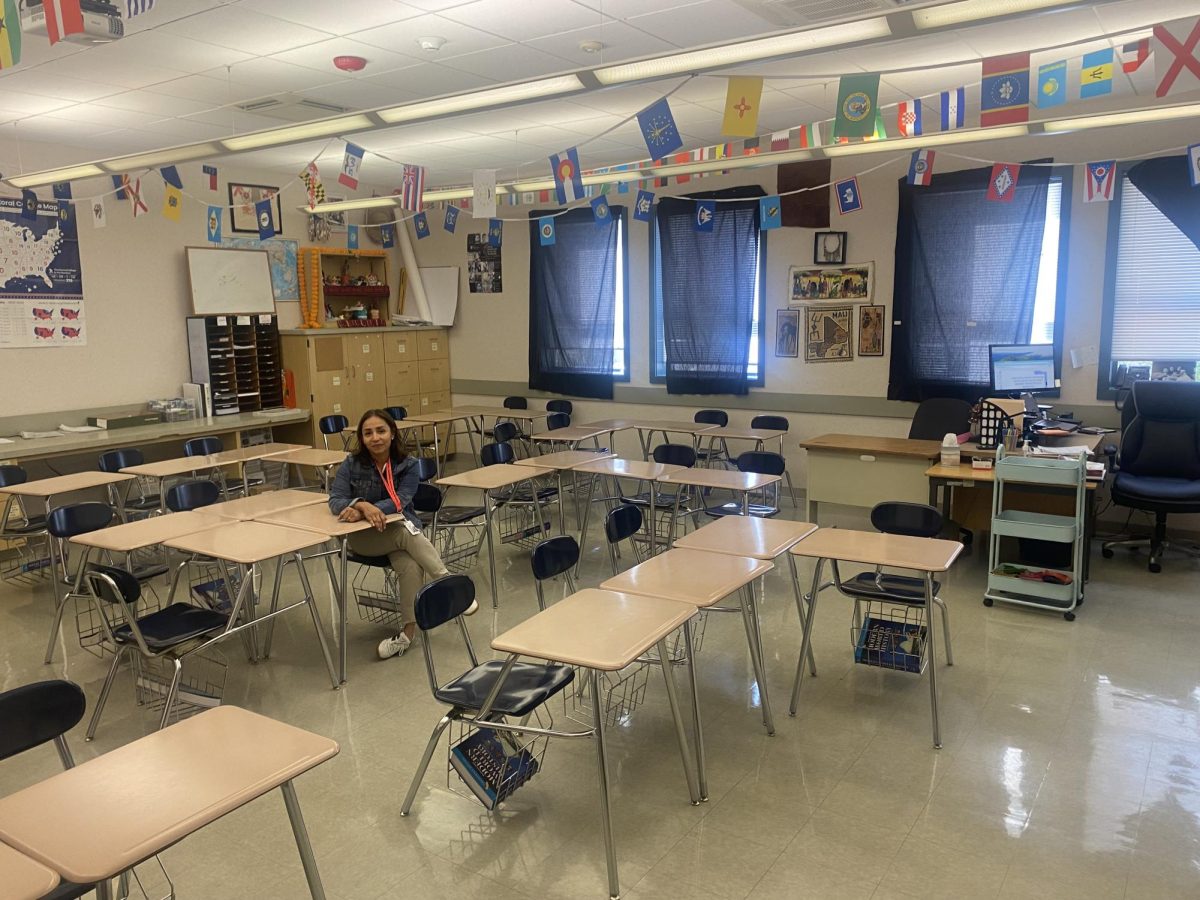
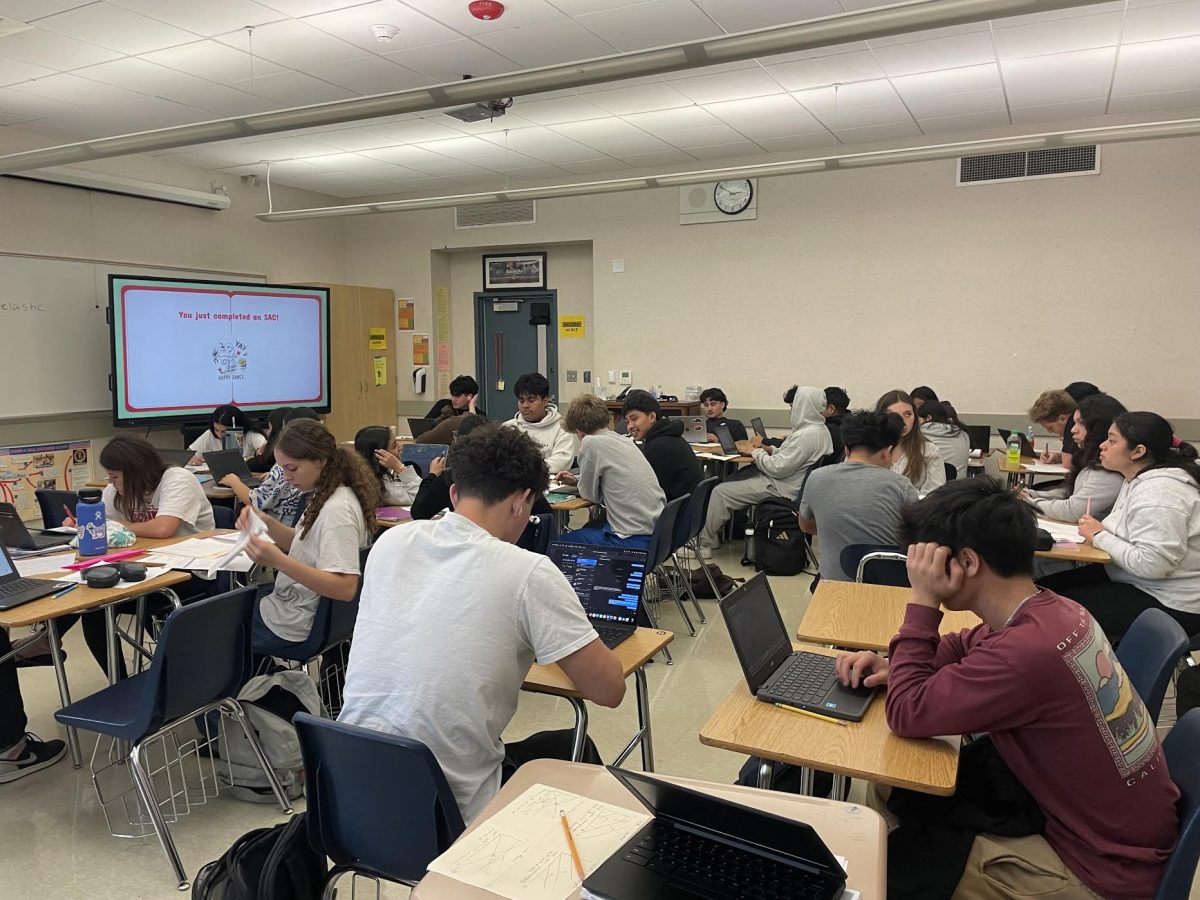
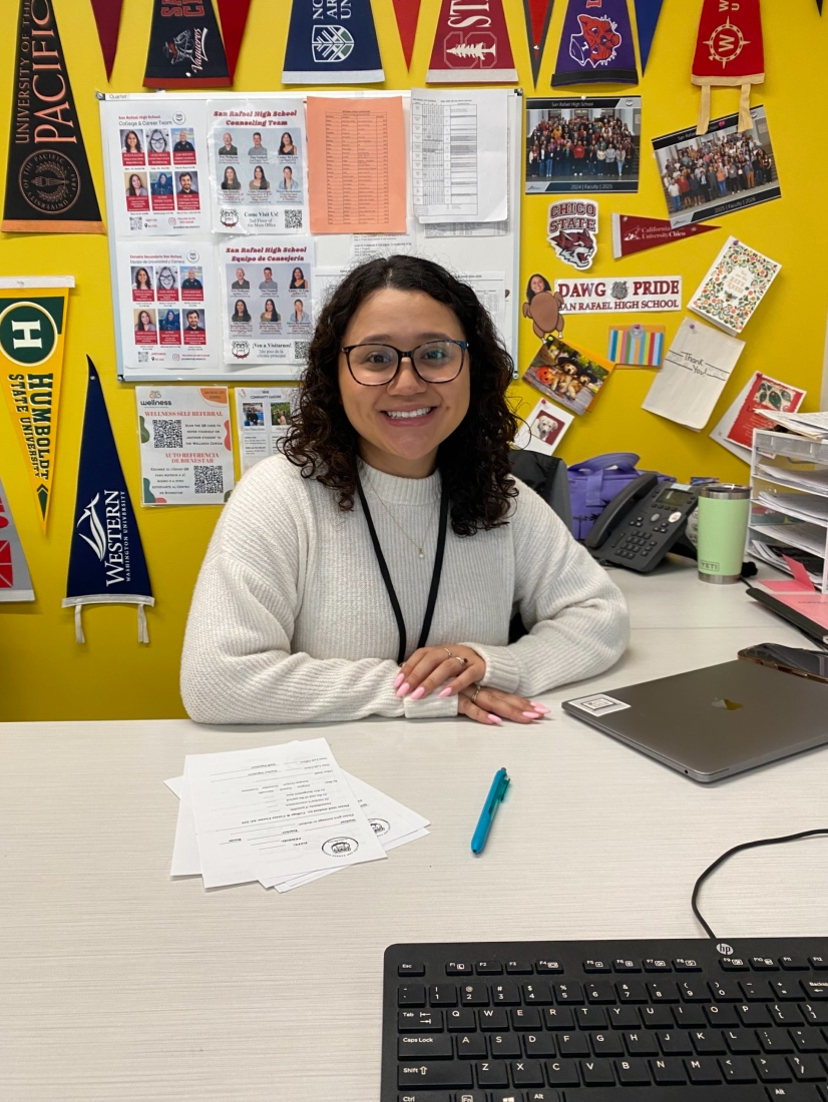
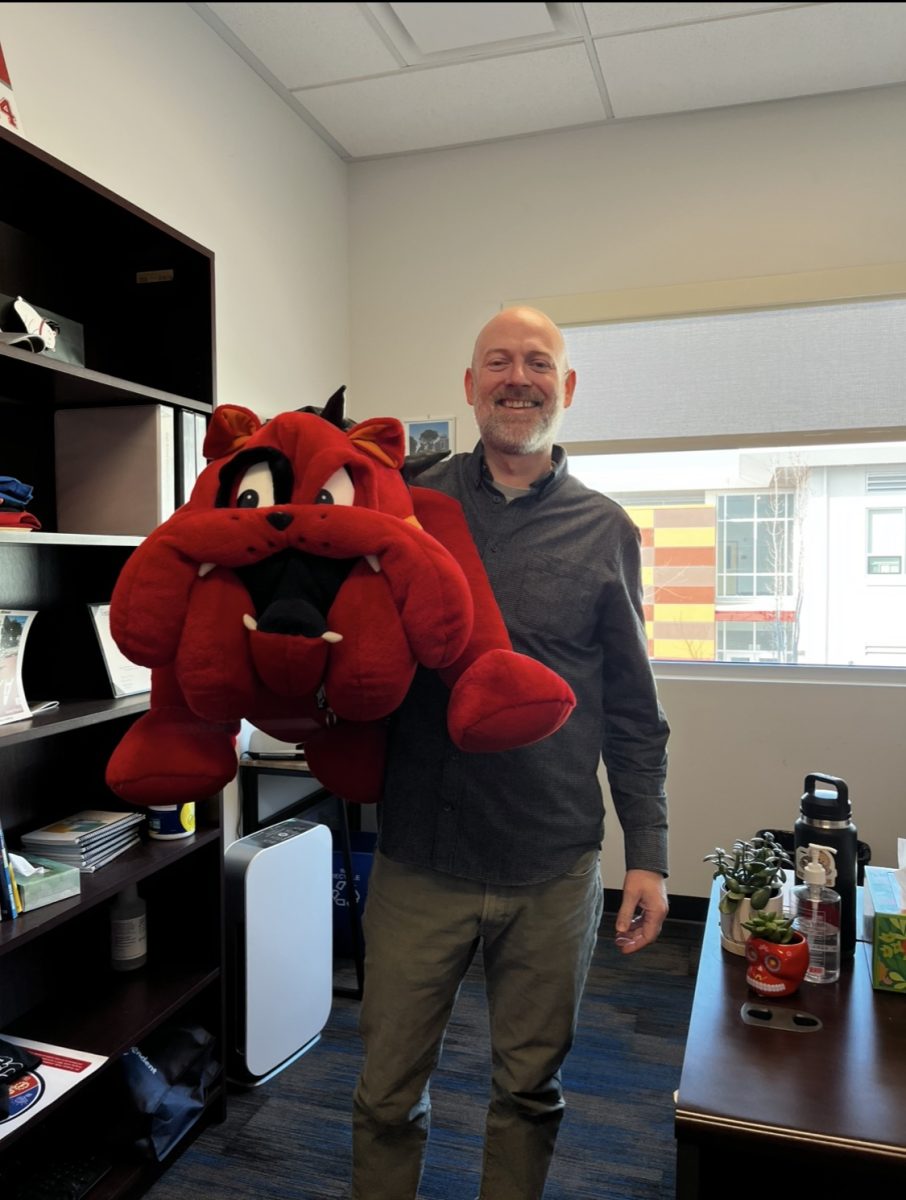
Many people I spoke to about this topic brought up the point of immaturity and not taking it seriously, although interestingly enough, a teacher disagreed. Ms. Spaelti, a veteran Government and Economics teacher, says, “As younger people, you still can understand how you fit in the world, and you still can understand these concepts.” I fully agree. The students’ understanding of these topics primarily relies on the teaching methods themselves.
Orlando Velasquez, a senior at SR, agrees: “The goal’s there, you know what I mean? But the execution is the problem.”
And it’s not like these topics are hated, Amelie Ward, a current freshman, says, “I am interested in [government and economics] because I believe that it is very important for everyone to know, so they can make educated decisions.” I think others share the same sentiment, likely valuing learning about topics that concern them directly.
The comments on maturity and attention are understandable, but considering most seniors are over it, school that is, it’s hard to see how seniors would be more attentive. I, firsthand, have noticed students only paying attention to pass the class, not actually learn the subject.
I do understand that a curriculum change is a difficult task, and that’s a major reason why I think it should just be moved to freshman year, as completely changing the school system is a lot of effort, and maybe not the number one priority right now. Ideally, these topics could be brought up throughout each stage of schooling, but that’s not realistic, at least not in the short term.
The transition to high school is a big one; many mark it as the transition into adulthood. So why not teach freshman “grown-up” topics? We’re expected to mature and prepare for adulthood, but it’s fairly hard considering we’re taught how to last minute. We can’t be treated as children and adults at the same time, and if schooling really prioritized student learning and success, these topics should be brought up earlier.

