




























Many schools start their first period at 8:30 AM, and some start even earlier. It’s been proven that teens not only need around ten hours of sleep but also have a tendency to stay up at a later time. Schools starting early in the morning means that the school’s schedule goes directly against teenagers’ biology, despite claiming that school staff want the best for their students.
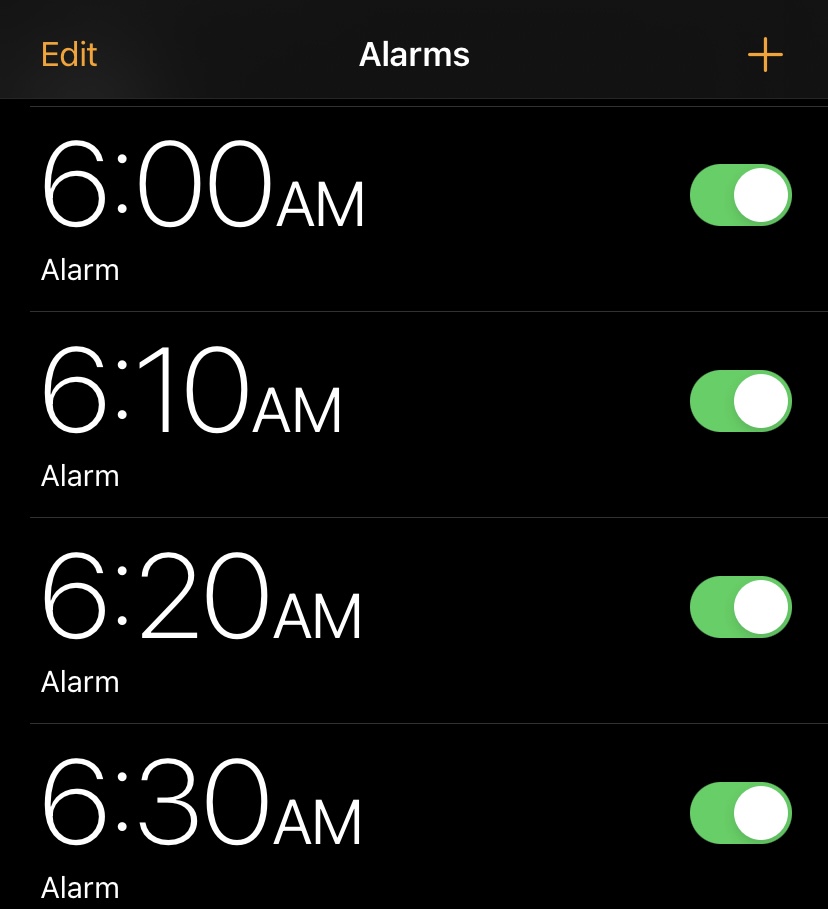
Marcia Flores, a senior student at San Rafael High School, is a victim of the poor management between schools and schedules. She often gets around six to seven hours of sleep a day. Her schedule involves waking up at 6:30 and going to sleep between 11:30 PM and 12:00 PM. She expressed that “during finals, the least amount of sleep [she] has gotten is two hours because of how much [she] studies for them.” Like her, many teens (including myself) often feel as if days don’t last because of how many things there are to do, and sleeping is often the sacrifice.
Adults are recommended to sleep between 7 and 9 hours each night, but teenagers are recommended to sleep between 8 and 10 hours each night. Sleep for Teenagers by Eric Suni shows how not only are teens biologically meant to sleep for more time than adults, but also have a natural tendency to stay up later during the night; this is due to teens having a sleep drive that builds more slowly, and the body’s melatonin production starting later in the day. There are many other factors apart from biology that prevent teens from going to sleep at an earlier time, the main one being school. Not only does school start early in the morning, despite research showing that starting later would be beneficial, but after-school activities like homework, sports, work, and personal matters leave little to no time for self-care.
In an interview, Dr. Mike Guinasso, a clinical psychologist with specialized training in sleep-related concerns who is also formally trained in Cognitive Behavioral Therapy for Insomnia, affirms that there are many deleterious effects for teenagers who often lack sleep. He said, “Sleep deprivation can lead to worse performance in school and a difficulty in retaining information learned in classes, poorer mental health outcomes such as anxiety and depression, and physiological changes such as hormonal disruption.” Not only is sleep deprivation bad mentally and physically, but at times, “sleep is associated with all-cause mortality in adults.”
Due to the lack of sleep that often comes with school days, teens tend to sleep for extended periods of time during non-school days in hopes of ‘catching up with missed sleep’. But, Dr. Guinasso said that while “our bodies have compensatory mechanisms to help
alleviate some of the effects that occur when we miss sleep”. Over time, “if individuals are consistently sleep-deprived during the week and attempting to ‘catch up’ on weekends or time off, this is a recipe for continued decline both mentally and physically.”
It is also important that teenagers work on themselves to improve sleep quantity and quality. The main recommendations according to Mayo Clinic involve sticking to a sleep schedule, eating healthy, creating a restful environment, and participating in physical activities. Since teenagers need at least one hour more of sleep than adults do, then school should start an hour later than what most adults wake up at. The recommendation, since standard workdays often start at nine, then schools should be starting at ten, although nothing will change unless teens also decide to start going to sleep at an appropriate time.

