





















First-generation students and families need more help with college and financial aid applications than most students. The problem is, there are limited resources at San Rafael High to set them up for success.
“I like to say myself, as a former first gen student, that without the support, you can’t really go ahead,” said Milton Contreras, the 10,000 Degrees worker for SRHS. “You always need support, whether it’s from a mentor, a fellow, a counselor, anyone.”
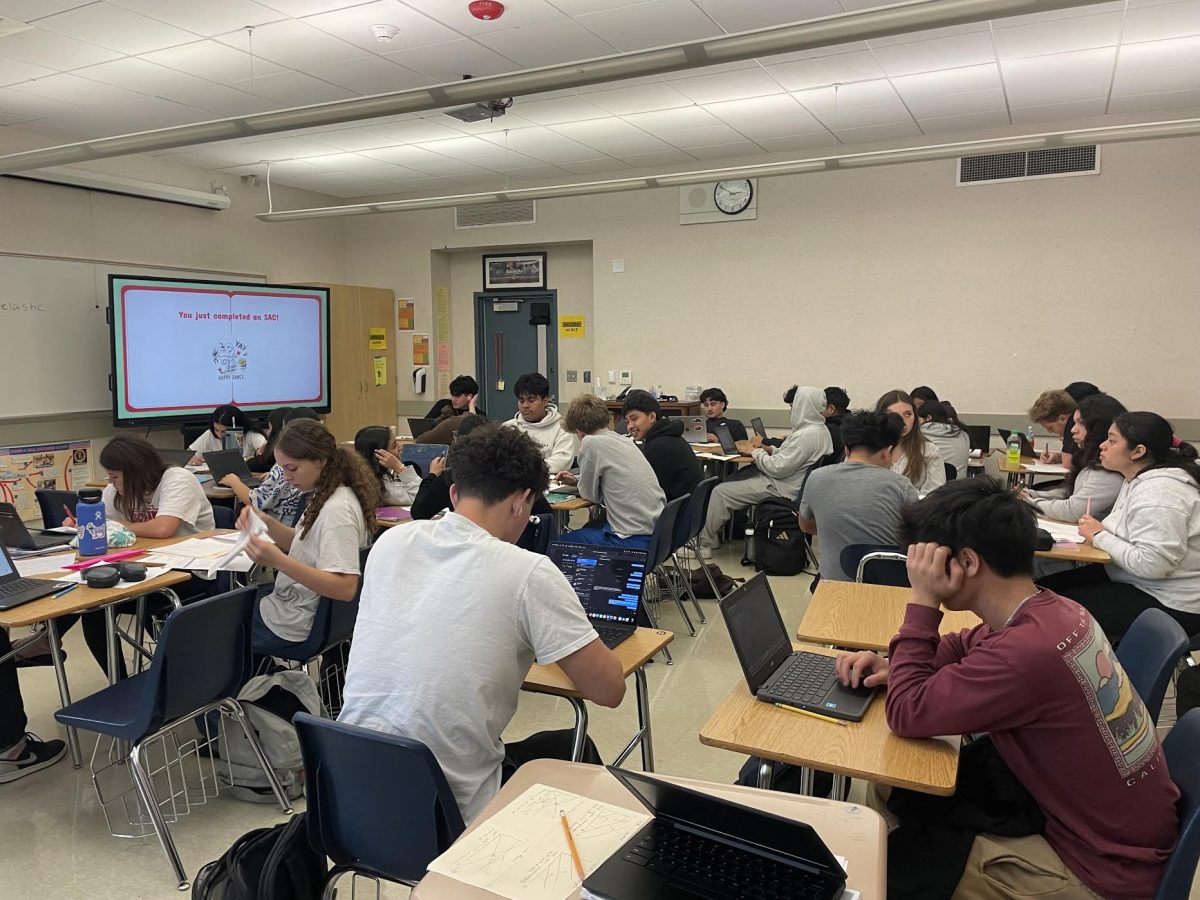
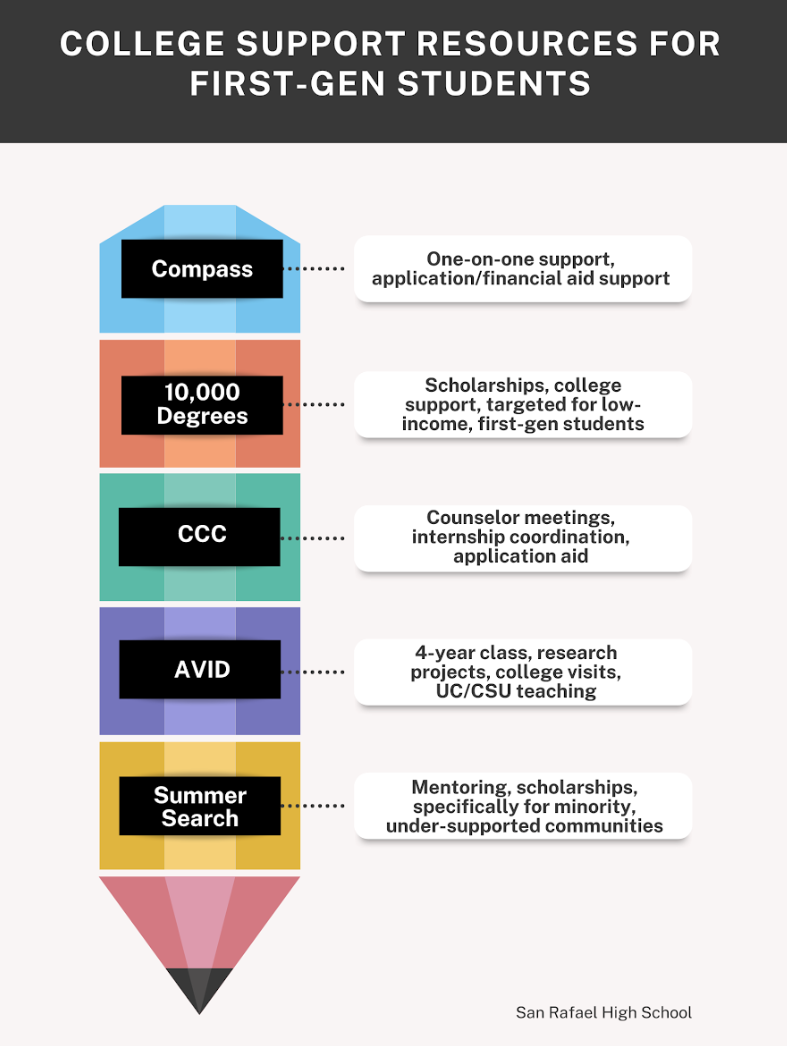
While the school offers many college support programs like AVID, Compass, Summer Search, and even its own College and Career Center, there’s a shortage of informative in-person support for students and their families.
“Parents have always played a large role in students’ college decisions, but surveys indicate that parents are playing a larger role than they have in the past,” said C2 Education, a college counseling company, referencing a 2022 survey in a post from Education Advisory Board, an education consulting firm. “This increase in parental influence on college decisions may be a result of pandemic-related factors.”
The increasing impact parents have on their child’s college applications and decisions isn’t just because of support, but also because of knowledge. If a parent is encouraging their child to meet certain requirements or is providing the information they need, the student is much more likely to apply and be accepted.
One of the few in-person programs SRHS has for first generation families are college nights. These are events open to students and parents where they can be informed and ask questions about college applications or any related information. The downside to them is that they only happen twice per high school career. One in the spring of junior year, and one in the fall of senior year.
Fortunately, Compass is a college support program that offers a similar experience. According to Alex Sanchez, a 12th grade Compass student, “I feel like that program didn’t only help me. It was also helping my mom because Juan Mercado [SRHS Compass Coordinator] calls my mom and explains stuff to her when I can’t.”
A key component of first generation support is having conversations with parents, and not just once or twice. It’s difficult for students to convey certain information to their parents, especially when they don’t even understand it themselves.
A program that school offers directly is the AVID class. “Since AVID is a four-year program, we do a lot of stuff throughout the years that helps them prepare for college,” said Jose De La Rosa, a four-year AVID teacher.
This course helps students through college research projects, college visits, teaching of the UC and CSU system, and much more.
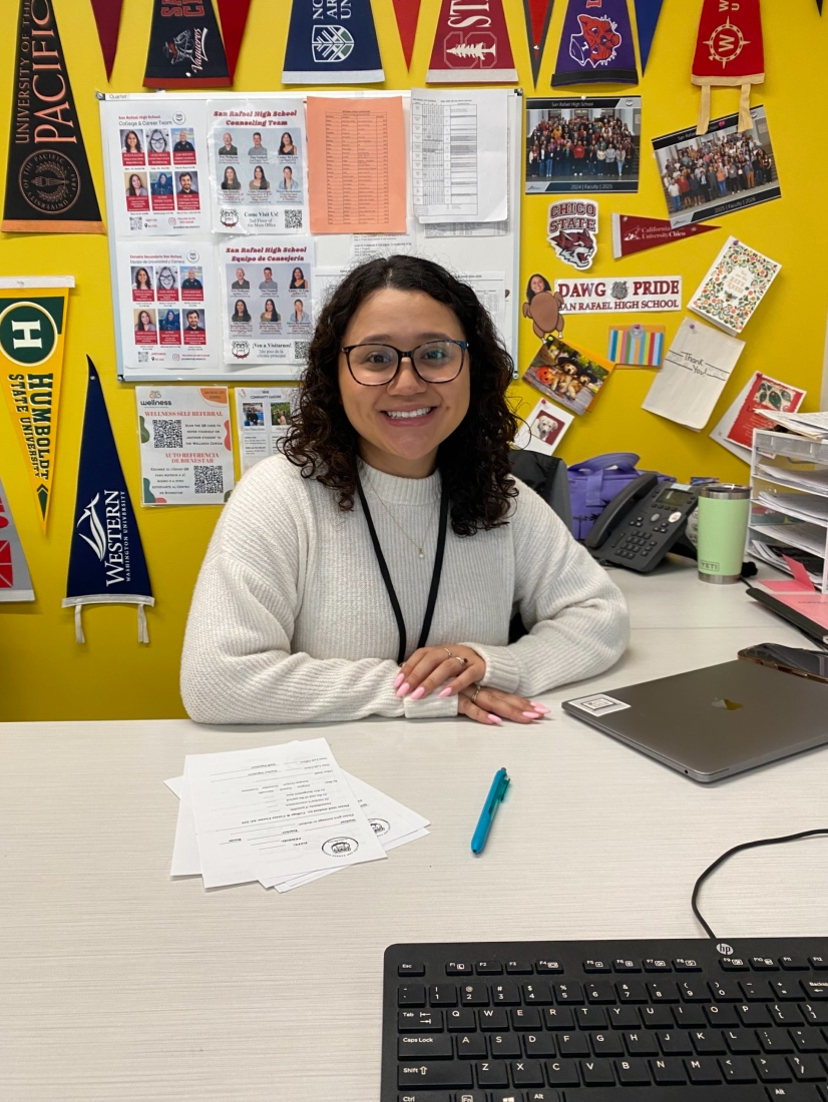
Additionally, the CCC allows for one-on-one counseling for students, as well as Saturday workshops in collaboration with 10,000 Degrees. However, these workshops are virtual and don’t occur often, only from “November to December,” according to Contreras.
There are definitely a bunch of resources available to students, there just isn’t enough targeted for families. For example, college nights are useful, but many people aren’t able to attend them.
Emily Duarte Borges, a senior at San Rafael High School, said, “I have not attended any. I think there should be more because some students are very busy and can’t attend until a later date.”
In support, Sanchez also said, “I’ve never attended a college night. Either I haven’t been available, or my mom’s not available either.” She later confessed that she doesn’t even know when they happen.
This is where there is an issue. Many college support programs send out information via text messages, emails, flyers, Minga, the list goes on. But students are still unaware of what’s available to them.
“One of the beauties of living in this county and going to school in this county is, there’s a lot of resources.” said De La Rosa. “You just have to go out there and find them and apply and stay committed to them.” What he means by this is that, in order to take full advantage of these resources, students must find it in themselves to put themselves out there to be a part of them.
Sanchez explained that her mom pushed her to be a part of Compass, and the summer before her senior year, it gave her the opportunity to visit Brown University. “I thought that was really cool and showed the opportunities you can have if you actually apply yourself,” she said. “But also, I think a big part of it is that people need to advertise more.”
So, the miscommunication is not the fault of the students or the faculty. Rather, it’s both at once. Many students aren’t putting themselves out there, while the school only offers a few opportunities for them to get support alongside their parents.
Borges wants “workshops during school,” and Sanchez wants, “more help during the first or second year of high school.”
On the other hand, De La Rosa revealed that SRHS has, “less money to work with every year,” and Contreras said we need, “more access fellows to have more days in the school.”
What would help fix this issue, would be more workshops during school hours or events for students and families. De La Rosa, Contreras, and Katelyn Alegría, the College and Career Advisor, said that they’d be open to hosting more events and having more programs or resources for students.
This needs to go into action, at least for next school year. Counselors guiding students in class selection, periodical visits from college advisors throughout high school, and sharing information to families more frequently and more accessibility would benefit not only first-generation students and families, but also all of the San Rafael High School community.
