
























Many think of high school as a new and exciting period in one’s life. But what many don’t talk about enough is that it’s a period of time where the body undergoes multiple changes. While SRHS does offer health classes, it only takes up one semester which covers five different units; introduction to health concepts, mental health, nutrition, sexual health, and substance abuse. With many topics being left untalked about, the responsibility is often left up for students to conduct more extensive research.
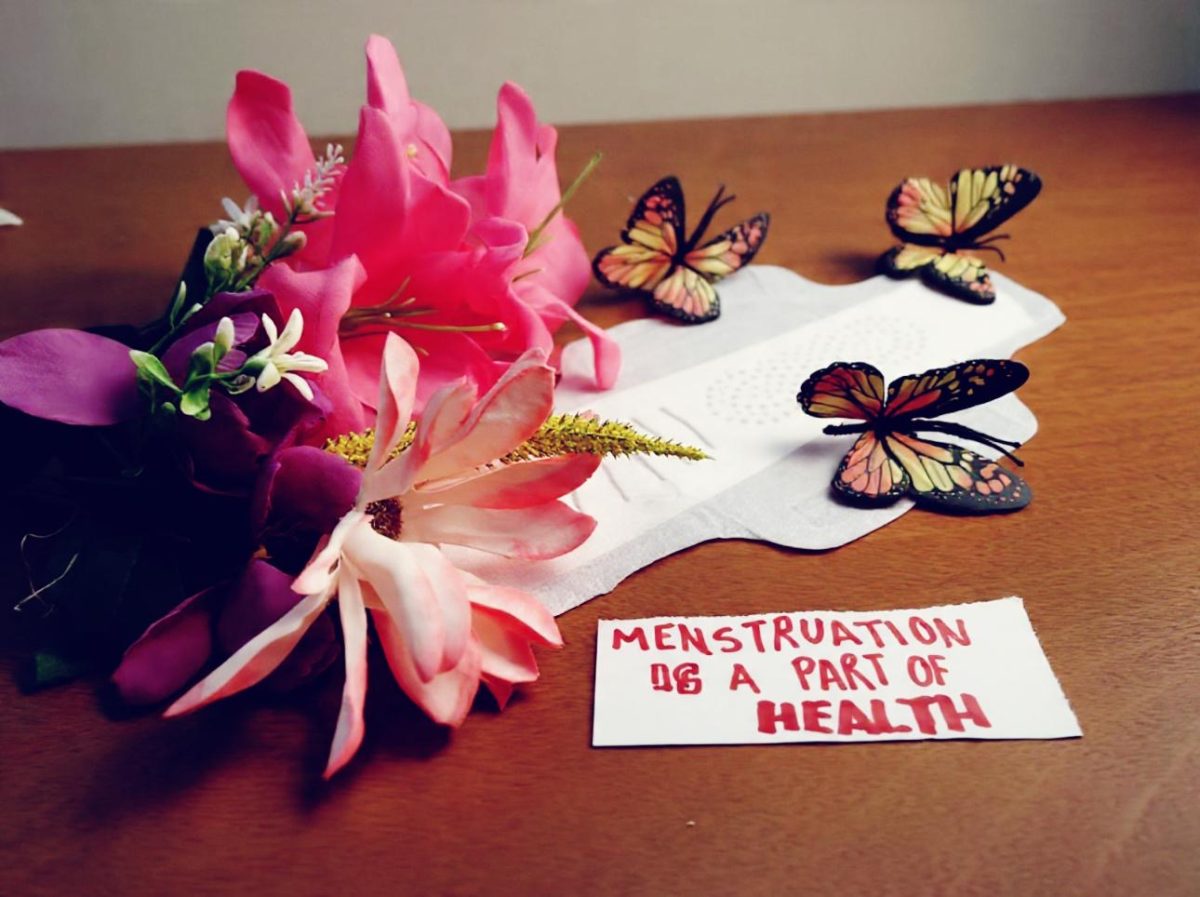
When it comes to the female anatomy, SRHS does not put enough effort or time in making sure that their female students feel comfortable with the knowledge they receive about their bodies. While people often argue that menstruation is taught during seventh and fifth grade, most students don’t recall learning about it. Whether it’s due to the amount of time that has passed, or because they were too young to understand the importance of learning about what happens in their bodies. As a school, SRHS has the responsibility to teach subjects that will help students in life in order to prepare them for the future.
Camila Iñiguez, a senior student at SRHS, said, “from what I recall there were mentions about menstruation, but it wasn’t detailed enough for us that were younger at that time to understand the concept of what it truly means to have a period.”
The menstruation cycle is not only one week then disappears, it typically lasts between 24 to 38 days. There are four phases in total. The first one is called the menses phase (mostly known as a period), it involves shedding of the uterus and lasts 3 to 7 days. The second phase is called the follicar phase in which follicles of ovaries grow, it typically happens between the 10th and 14th day. The third phase is called ovulation, the luteinizing hormone increases which causes ovaries to release its egg, it occurs on the 14th day. Lastly the fourth phase is called the luteal phase, in which the egg leaves the ovaries and travels through the fallopian tubes to the uterus.
A freshman at SRHS, Kate Numainville, feels like she hasn’t been taught a good amount of information on menstruation. Kate said, “[health class] did touch on [menstruation] briefly during the anatomy portion, but I do think they could’ve gone more in depth for how to put on a pad, how to use a tampon, and ways to remedy cramps.” Because menstruation is such an important topic, it’s not something that should be touched on briefly. But rather, menstruation is a topic that health class should make sure to properly cover. Health class does a good job on making sure that the topics it teaches are relevant to student’s lives, but it does miss important information. Kate said, “[health class] does touch on how there’s stereotypes and expectations for girls, but it could talk more on the reality of the treatment girls undergo outside of a school setting. Because sometimes girls aren’t prepared for what they are going to be confronted with in the real world.”
Ms. Healy is a P.E. and a health class teacher, who studied about the menstrual cycle in college and describes herself a “total feminist.” Ms. Healy loves teaching health class, but often wishes that the class was a whole year instead of one semester since many important topics are missed due to the lack of time. One of those topics involves tampon usage; Ms. Healy said, “I really want girls to use tampons, because I believe that until you [start using a tampon], you’re a slave to your period. I mean you can’t do anything because you have a period.” Yet health class is not teaching girls how to use pads and tampons.
In high school, the menstruation cycle is only touched on by involving it with other topics. Ms. Healy explained, “during one unit the Huckleberry Youth Program –a non-profit which empowers young people with services that promote safety, physical and emotional health, social justice, and educational success– do a lesson on the reproductive system, and in that they talk about ovulation and menstruation. But [health class] doesn’t go into great detail about the cycle itself.”
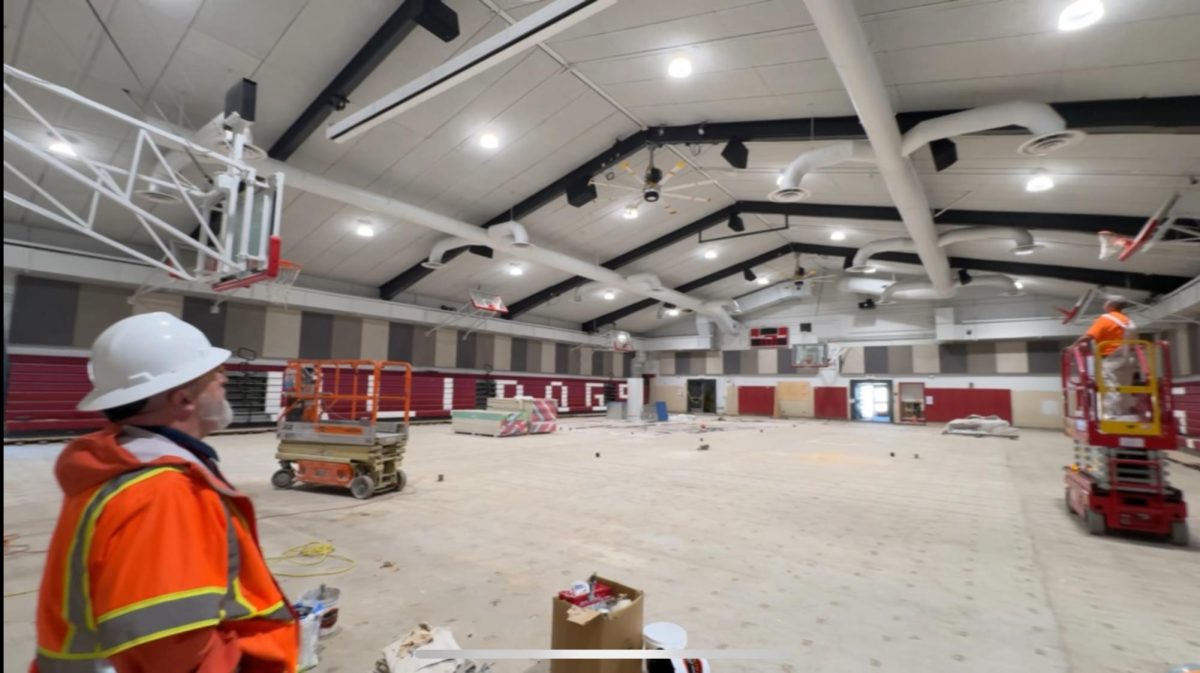
While in P.E. class, those who experience periods are given a chance to have a conversation about tampon usage during the second semester of school, due to swimming lessons. The gym and the swimming pool have been closed as they are currently under construction. This means that for the past two years, students haven’t been talked about tampon usage, leaving teenagers that experience periods to figure things out for themselves.
As someone who only studied seventh grade (and has no memory of it) in America and studied the rest of middle school in Mexico. Coming back to the U.S., I had no idea on how to properly deal with menstruation. All of the embarrassing moments I went through, could’ve been avoided if only health class taught about menstruation properly, rather than skimming through it because of the assumption that everyone had learned it during middle school.
The school can’t change the past to give those students that go through menstruation a better understanding of the implications that come with menstruating. But, the school can change the present and the future, to make sure that younger students can now learn what older students missed. In turn helping many teenagers avoid the struggles that come with the lack of knowledge in the things your body goes through.
